
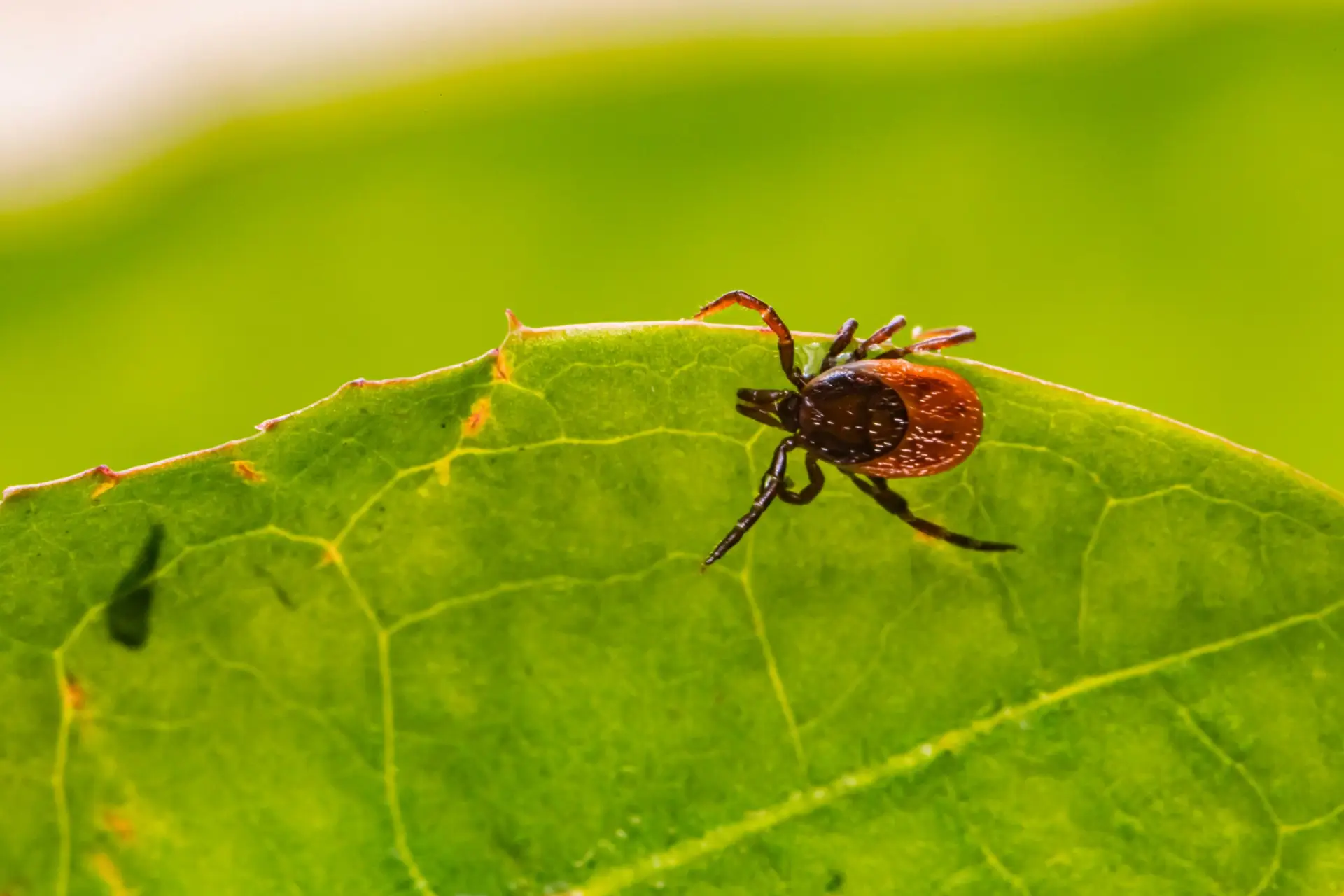
This year, Michiganders are experiencing a historic surge in ticks and tick bites. Ticks are very dangerous to humans and animals because their bite transmits pathogens directly into the bloodstream. Although we can’t prevent the increase in ticks this year, we can learn how to keep them out of our yards to protect ourselves, our pets, and our loved ones. Read along to learn how!
Understanding Ticks
- Ticks can’t jump, fly, or drop from trees.
- Ticks rest on low vegetation in damp, wooded, or brushy areas.
- Ticks climb to the tips of grasses or shrubs and extend their front legs to grab onto a passing host.
- When an animal or human brushes by them, they travel with them until removed, or the tick decides to move on to a new host.
- Ticks typically crawl toward the head, neck, and ears of their host- where their skin is thin and easy to bite.
- Depending on the type of tick and its stage of life, it may take 10 minutes to 2 hours for the tick to find a spot to bite.
- If the host has a bloodborne infection, the tick will ingest those pathogens as it consumes its blood.
- If the tick has already contracted a pathogen from a previous host, it can be transmitted to its new host.
Plants to Keep Ticks Away
There are numerous plants that serve the double purpose of adding beauty to your yard and deterring ticks from wanting to stick around. Aromatic plants are an excellent natural strategy for creating a tick-free space!
- By releasing potent essential oils, certain plants mask carbon dioxide cues and disrupt the senses of ticks.
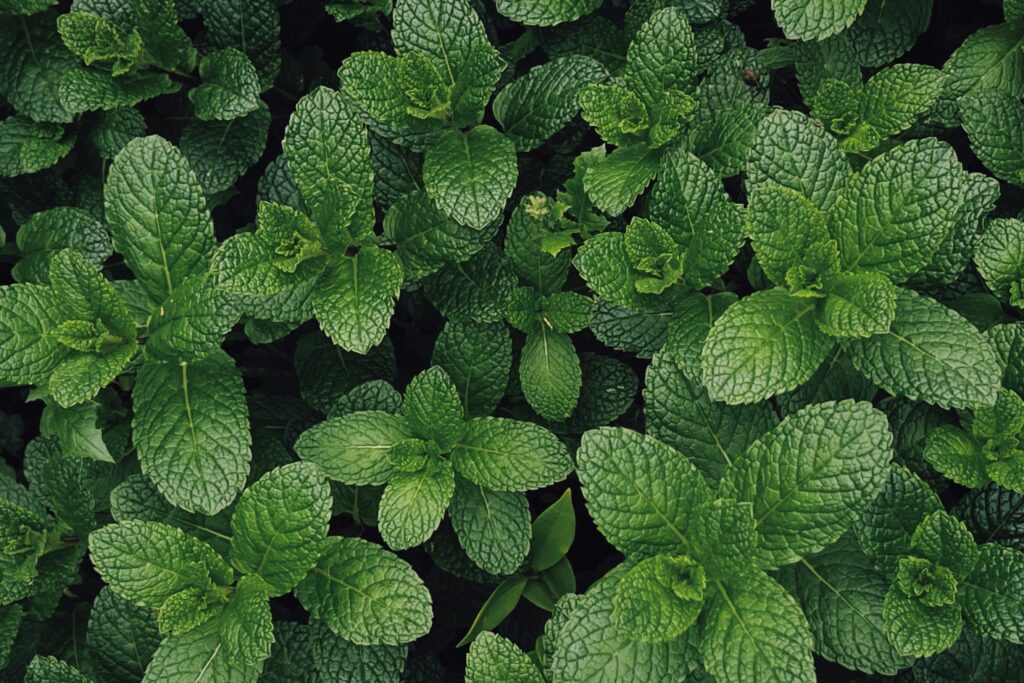
- Herbs like mint, rosemary, and wormwood are great for keeping ticks away.
- Flowering perennials like chrysanthemums, catmint (Nepeta), and lavender help keep ticks at bay.
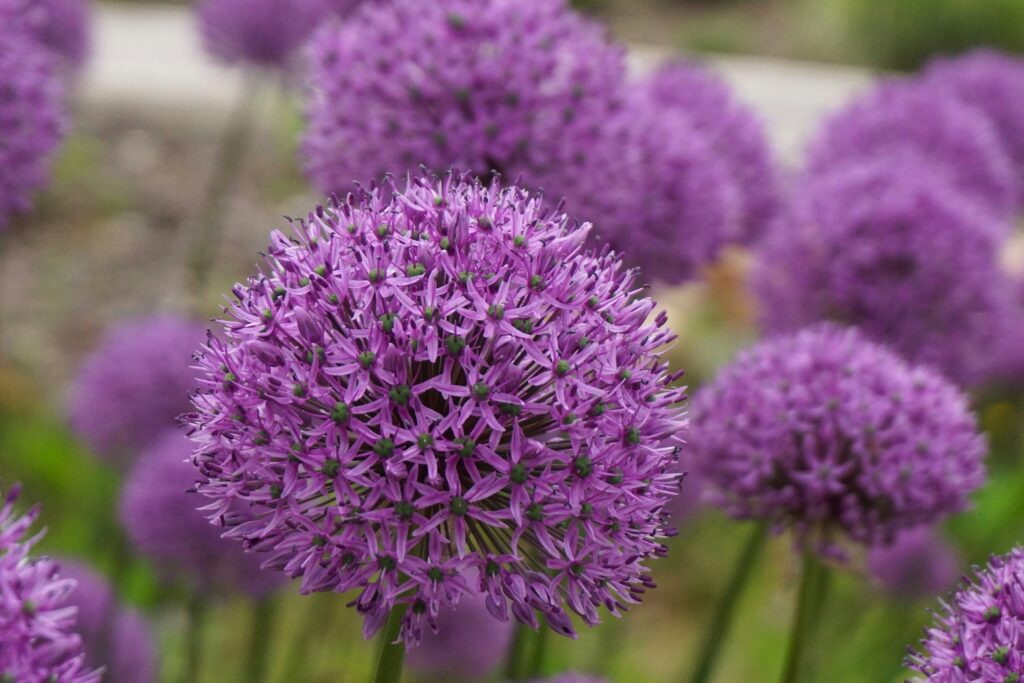
- Garlic and ornamental onions (Allium) have a strong, sulfuric odor that ticks don’t like.
- To maximize effectiveness, plant these herbs and flowers in high-traffic areas, like along garden borders or near your patio.

Deter Host Animals from Your Yard
Animals like deer, mice, shrews, chipmunks, and birds transport ticks across wide areas, into new environments. During tick season it is important to keep wild animals away from your yard!
- Stack firewood neatly in dry, sunny areas to keep away mice and to deter places for ticks to lay eggs.
- Seal any stone walls to remove hiding spots for mice.
- Tall fencing around your property, limits deer in your yard.
- Try removing or blocking off plants that deer love, like tulips, hostas, daylilies, azaleas, rhododendron, euonymus, and Indian hawthorn.
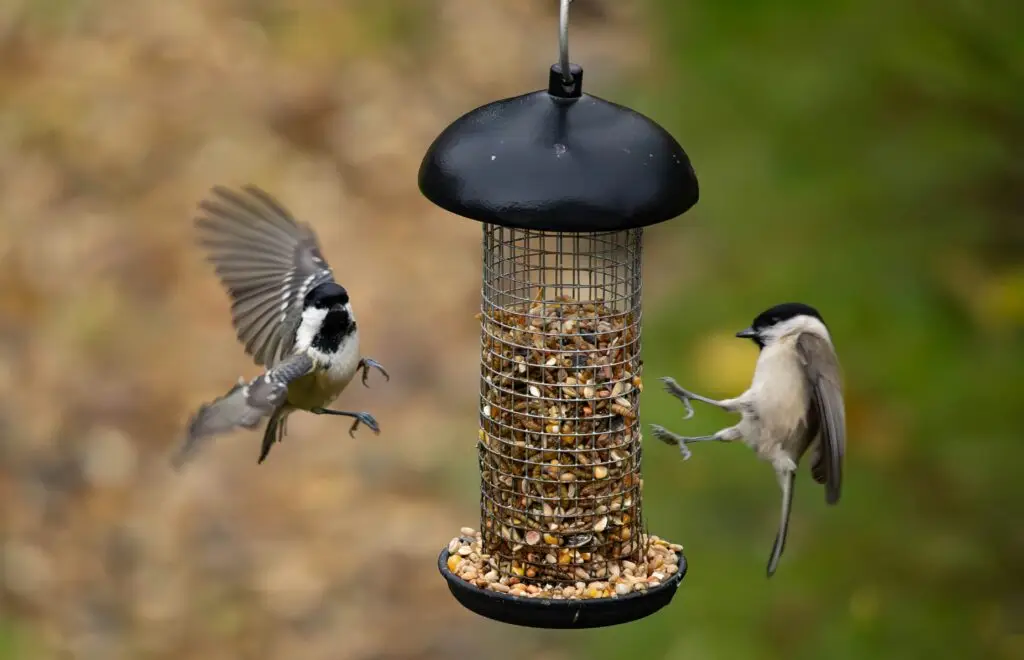
- Take down bird feeders or move them far from your home.
- Keep bird feed off the ground; it can attract small rodents.
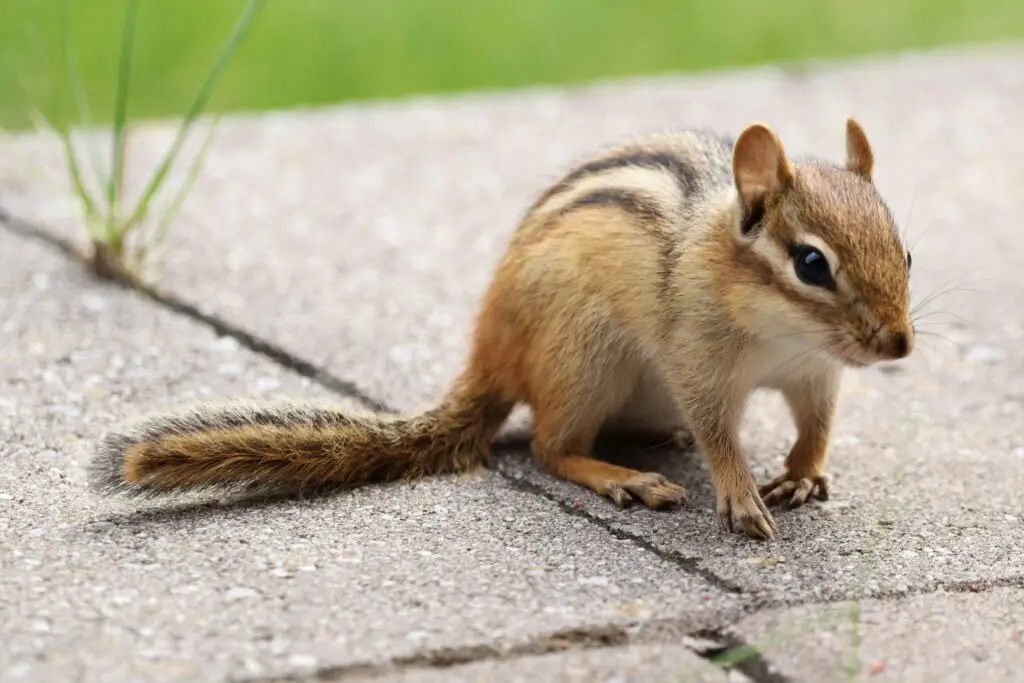
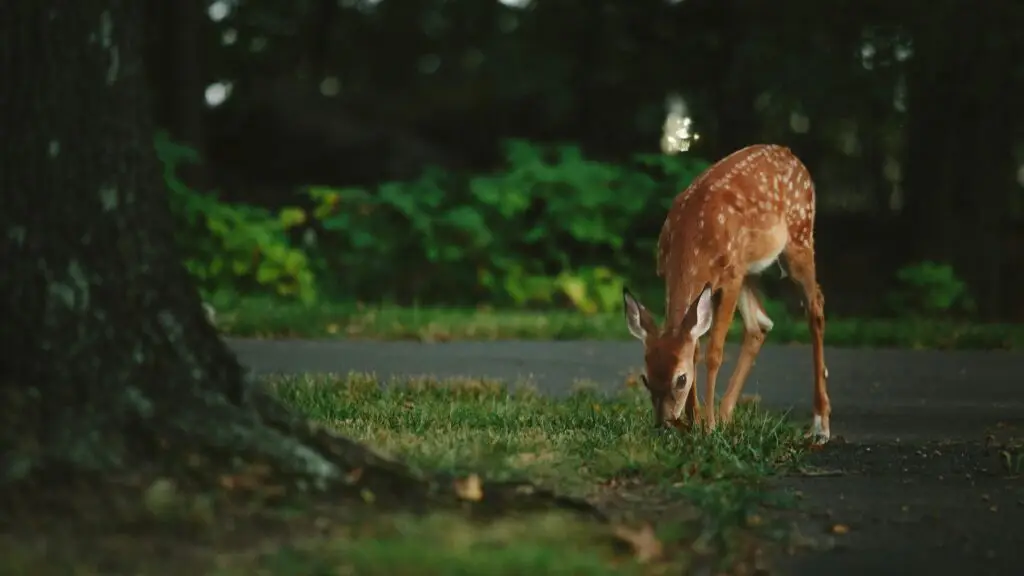
The fewer hosts in your yard, the less likely ticks are to survive in it!
Outsmarting Ticks
Learning what ticks look for in a yard and then doing the opposite is a great tactic to keep them away this tick season. Ticks thrive in moisture, so keeping your yard airy and bright will stop ticks from feeling welcome in your yard.
- Clear yard debris. Rake any leaf piles, brush, and lawn clippings.
- Keep your grass mowed and maintained. Trim back any overgrown weeds and bushes.
- Shade and moisture create an ideal habitat for ticks.
- If you have any woods near your lawn, try adding a three-foot barrier of wood chips or gravel to have a separation between the foliage and your yard.
- Relocate play/swing sets and patio furniture to the center of your lawn and in direct sunlight.
- Try hardscaping areas of your property, for less grassy areas, by using patio blocks, paving stones, or decking.
Pesticides and Natural Remedies
Whether you’re looking for a natural or chemical way to get rid of ticks from your property, here are some tips on what to do.
- Try spraying the perimeter and any shady areas of your yard with bifenthrin or deltamethrin (these insecticides attack the tick’s nervous system).
- Sprays using essential oils, like cedarwood, neem, citronella, nutmeg, clove, eucalyptus, and peppermint repel ticks.
- Try using Tick Tubes, which are permethrin soaked cotton tubes. As mice collect the cotton to build their nests, the permethrin kills any immature ticks that might be on the mice.
In Conclusion
There are many ways to stay safe this tick season and learning more about ticks is the first step! If you are in need of suggestions for plantings in your yard or a new landscape design, please contact us for a free estimate.
- Remember when going outside try to avoid walking through overgrown grass or dense brush, where ticks might be lurking.
- Always perform thorough full-body tick checks on yourself, your children, and your pets after being outdoors.
- And if you or someone you know was bitten by a tick, remove the tick immediately using fine-tipped tweezers. Report it to local health departments to help track outbreaks, then squish or burn it to dispose of it for good.